

How 3D Printing is Changing the Way We Build
3D printing, or additive manufacturing, is a technology that has revolutionized many industries, from healthcare to aerospace. However, its impact on the construction and architecture sectors has been particularly transformative. The potential of 3D printing to change how we build, design, and innovate is enormous. As this technology becomes more accessible and efficient, it is opening doors to new possibilities that were once thought impossible. From creating intricate designs to reducing waste, 3D printing is not just a trend but a game-changer in the world of construction.
What is 3D Printing in Construction?
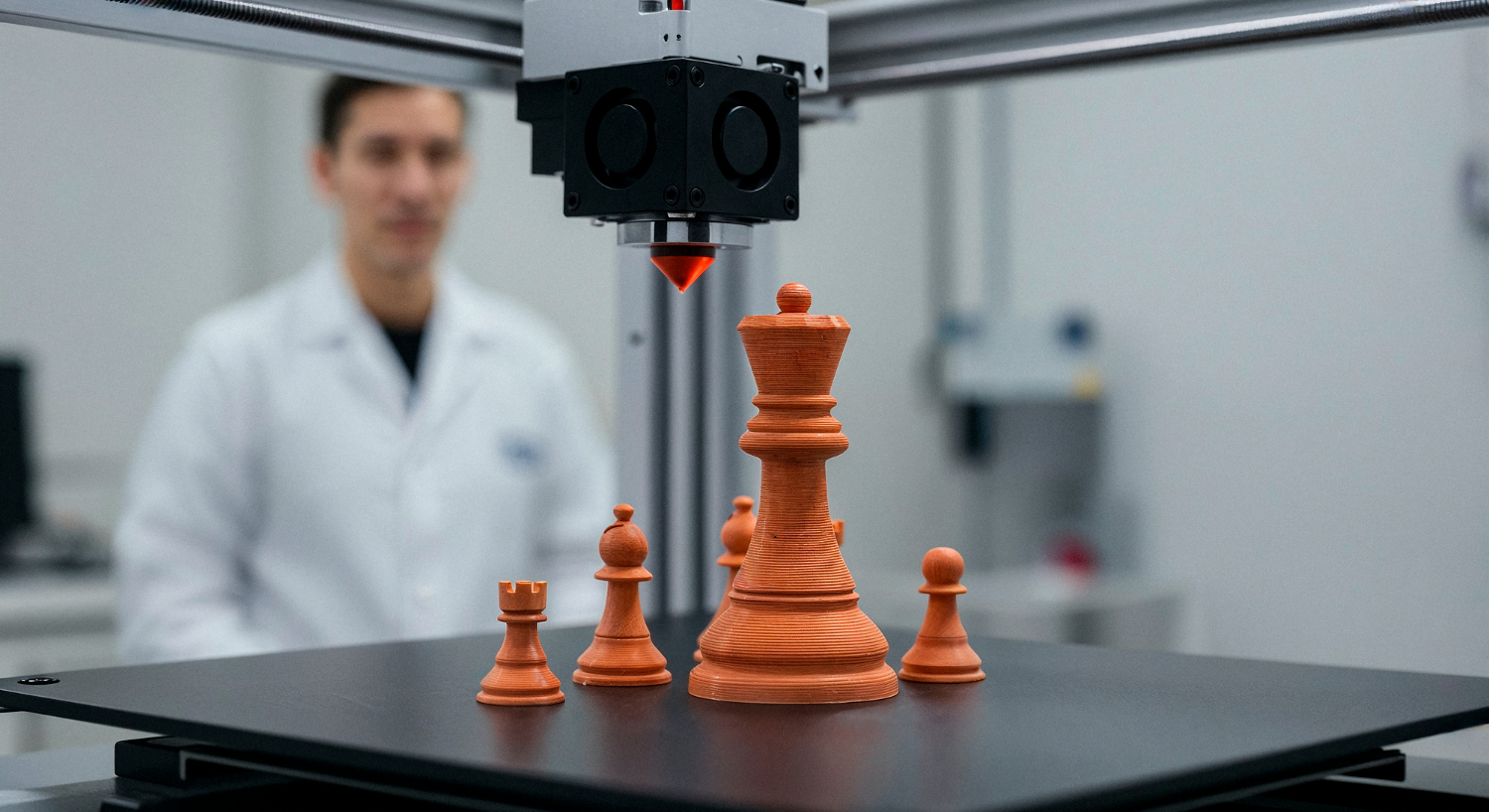
In construction, 3D printing involves using a computer-controlled printer to create physical objects layer by layer from digital models. Unlike traditional manufacturing, which often involves subtracting material (such as cutting or milling), 3D printing adds material incrementally, creating objects with precision. In the context of building, this means printing everything from small building components to entire structures.
This technology allows architects and builders to turn complex, customized designs into physical realities with unprecedented accuracy. It has the potential to simplify the construction process, reduce costs, and make construction more sustainable. But what makes 3D printing in construction so transformative? Let’s dive into the ways 3D printing is changing how we build.
One of the primary benefits of 3D printing in construction is its ability to create highly customized designs. Traditional construction methods often require expensive molds and tooling, which limits the complexity and variety of designs. With 3D printing, however, the design possibilities are virtually limitless. Architects and designers can experiment with unique geometries, intricate patterns, and complex structures that would have been difficult or even impossible to achieve using traditional methods.
For example, buildings can feature curved walls, intricate facades, and organic shapes that were previously too expensive or labor-intensive to produce. This opens up new avenues for artistic and functional architectural design. The freedom to create bespoke designs allows for greater creativity and innovation in construction, resulting in buildings that are not only more aesthetically pleasing but also more efficient and adaptable to specific needs.
3D printing significantly reduces the time it takes to complete a building project. Traditional construction methods involve numerous steps, including excavation, foundation pouring,
framing, and finishing. Each step requires a different set of tools, materials, and labor, resulting in extended timelines.
With 3D printing, much of this process is streamlined. For example, an entire wall or structure can be printed in a matter of hours, depending on the complexity of the design. The speed of 3D printing allows construction teams to complete projects faster, reducing the overall timeline for construction. In some cases, buildings can be 3D printed in just a few days.
This rapid construction process has significant implications, especially in areas where there is an urgent need for housing or infrastructure, such as in disaster-stricken regions or rapidly growing cities. The ability to print homes and structures quickly can help meet the demand for housing, creating a more efficient solution to housing crises.
While 3D printing technology in construction is still in its early stages, it has already proven to be a cost-effective alternative to traditional methods. One of the biggest cost-saving factors is the reduction in labor and material waste.
Traditional construction methods often result in a lot of waste, both in terms of materials and time. Builders may over-order materials to ensure they have enough, which leads to excess and wasted supplies. 3D printing, on the other hand, uses only the exact amount of material needed to create the structure, minimizing waste. This reduction in waste can save money on both materials and disposal costs.
Additionally, 3D printing reduces the need for large crews. Since a machine can do much of the work that would otherwise require multiple workers, the labor costs associated with construction are significantly lower. The technology can also automate many processes, further reducing the cost of manual labor.
While the initial setup for 3D printing may require significant investment in machinery and software, the long-term savings from reduced material waste and labor costs make 3D printing an attractive option for the construction industry.
The construction industry is one of the largest contributors to environmental pollution and waste. From excessive energy consumption to construction site waste, traditional building methods are far from sustainable. 3D printing, however, offers a more environmentally friendly alternative.
One of the most notable environmental benefits of 3D printing is the reduction in material waste. As mentioned earlier, 3D printers use only the exact amount of material needed for each
layer, ensuring that no excess is produced. This waste reduction helps minimize the amount of construction debris that ends up in landfills.
Furthermore, 3D printing allows for the use of alternative, sustainable materials. For example, some companies are experimenting with printing structures using recycled materials, such as plastic waste or even construction debris. This not only reduces the environmental impact of construction but also promotes the recycling of materials that would otherwise contribute to pollution.
Additionally, 3D printing can be used to create energy-efficient buildings. Since the technology allows for precise construction, it can be used to build structures with better thermal performance and reduced energy consumption. For instance, 3D printing can be used to create walls with optimized insulation, reducing the need for heating and cooling systems.
Construction sites are notorious for being dangerous places to work. Heavy machinery, falling debris, and hazardous environments contribute to a high rate of accidents in the industry. 3D printing can help reduce the risk of injury by automating dangerous tasks and reducing the need for human workers on-site.
By automating much of the construction process, 3D printing reduces the number of workers exposed to hazardous conditions. Workers can be assigned to oversee the machines or perform other tasks away from dangerous construction zones, significantly improving on-site safety.
Furthermore, the precision of 3D printing means that there are fewer errors in construction. Traditional methods often involve complex manual labor that can lead to mistakes and rework. With 3D printing, designs are directly translated into physical structures with high accuracy, reducing the likelihood of defects or structural issues that could pose safety risks.
One of the most promising applications of 3D printing in construction is its potential to address the global housing crisis. Affordable housing remains a significant challenge in many parts of the world, with rising construction costs and limited access to quality housing. 3D printing technology has the potential to provide a cost-effective solution to this problem.
By reducing the cost of materials and labor, 3D printing can make it more affordable to build homes, even in low-income areas. In fact, several 3D-printed housing projects have already been launched in developing countries, offering an innovative and cost-effective way to provide shelter to those in need. In some cases, entire neighborhoods of 3D-printed homes have been created in a fraction of the time it would take to build traditional houses.
Additionally, 3D printing allows for more flexible and adaptable designs, which can be tailored to local needs and environmental conditions. Whether it’s creating homes in areas prone to natural disasters or designing affordable homes for families, 3D printing can offer a solution that is both functional and sustainable.
3D printing is not only ideal for residential homes but also for more complex and remote construction projects. For instance, NASA is exploring 3D printing technology for building structures on the Moon and Mars, where traditional construction methods would be challenging due to the lack of resources and extreme conditions.
In remote areas on Earth, 3D printing can be used to construct buildings and infrastructure without the need for extensive transportation of materials. This is particularly useful in regions that are difficult to access, such as islands, mountains, or rural areas. 3D printing offers a sustainable and efficient solution for building in these locations, reducing costs and environmental impact.
Conclusion
3D printing is undeniably changing the way we build, from the design phase to construction and beyond. The ability to create customized, cost-effective, and sustainable structures faster than ever before is transforming the construction industry. As the technology continues to evolve, we can expect to see even more innovations that will help shape the future of construction. Whether it’s reducing waste, improving safety, or addressing the global housing crisis, 3D printing has the potential to revolutionize the way we think about building. The future of construction is here, and it’s being printed layer by layer.